All Categories
Featured
Table of Contents
When the keyword universe is clear, appoint target terms to page types. This keeps your own pages from completing with each other and assists your group choose where to invest. Classification pages generally carry the largest industrial chance. They ought to target product-type, brand, use-case, product, audience, and modifier searches.
Item pages ought to target the specific item, SKU, model, version, part number, and bottom-funnel modifiers. These pages need special descriptions, specifications, images, video, evaluations, accessibility, shipping, return details, and associated items. If the page repeats the producer's description, Google and shoppers have little factor to choose it over every other reseller.
The practical guideline is simple: every crucial query requires a home, and every important page needs a clear task.
Title tags, meta descriptions, headings, item copy, image alt text, and internal links must make the page simpler to comprehend and simpler to use. For classification pages, optimize: Title tags and H1s around the main category demand.
For product pages, enhance: Special product descriptions that discuss usage, fit, benefits, specs, and differentiators. Item titles that consist of the model, brand name, item type, and critical attributes.
The Future of Social Advertising
Associated items, accessories, packages, and replacement choices. Item structured data that matches visible page material. The group composes titles and meta descriptions, but leaves manufacturer copy, missing out on specs, weak internal links, duplicate variations, and thin classification pages unblemished.
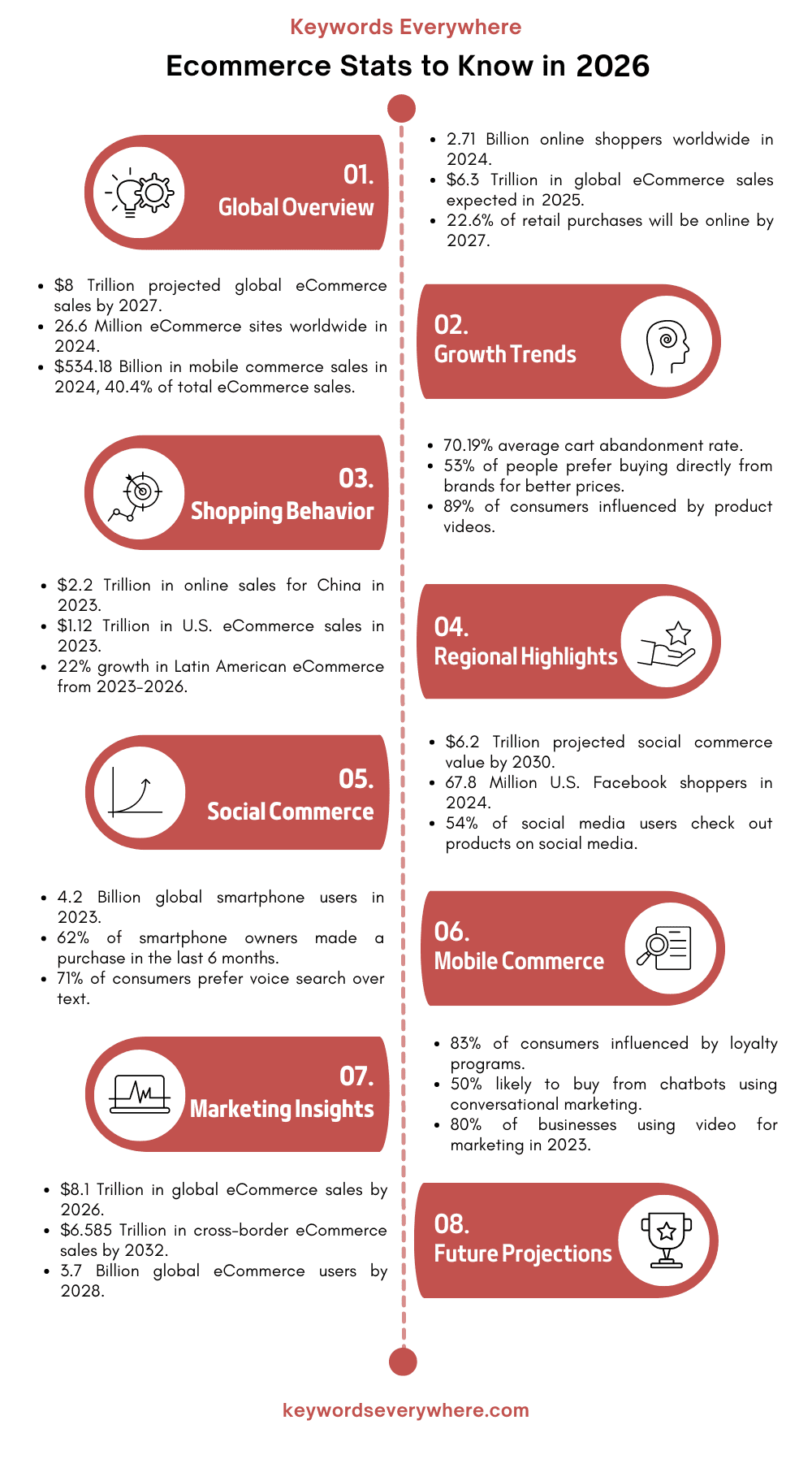
The old version of this short article made a helpful point: long-tail material can support item and category pages. The distinction in 2026 is that material has to be more securely connected to the brochure. Good eCommerce material responses pre-purchase concerns.
Data Strategy and Growth in Modern Digital CommunicationsA B2B parts supplier might publish fitment guides, standards explainers, interchange resources, and upkeep lists. Helpful material formats consist of: Buying guides. Contrast articles. Product care guides. Size and fit guides. Compatibility and fitment resources. Seasonal merchandising guides. Gift guides. Setup or how-to content. Glossaries for technical categories. Information research studies or tools that can earn links.
Effective Content Marketing for Online Shops
Link to the relevant category, item, or collection page. Link back from categories when the guide assists the consumer choose. Use detailed anchors. Keep the course natural. eCommerce internal linking is not just an SEO method. It is how you move consumers and authority toward income pages. Navigation is a conversion issue and an SEO concern.
If Google can not crawl the essential paths cleanly, your greatest pages may not get discovered or comprehended. Start with the primary hierarchy: homepage, departments, classifications, subcategories, product pages, and supporting content. Breadcrumbs ought to strengthen that hierarchy. HTML links ought to connect the essential pages without relying just on JavaScript interactions. XML sitemaps ought to stay present for canonical pages.
The pages that develop income needs to not be buried 5 clicks deep while low-value filters get thousands of crawlable URLs. Link from navigation, classification copy, buying guides, associated items, blog site material, comparison pages, and footer or hub pages where it assists the shopper. This is also where website search can help.
The Future of Paid Ads Strategies
If buyers keep looking for a size, compatibility term, brand, replacement part, or use case, that may point to a much better category, filter, material page, or item copy upgrade. Structured data assists browse engines comprehend what is on the page. For eCommerce websites, Item structured information is particularly crucial because product results can show rate, accessibility, ratings, shipping, returns, and other information.
For pages where clients can purchase products from you, merchant listing markup can support richer item info such as accessibility, shipping details, return policy, garments sizing, and variants. Google also says integrating structured data with Merchant Center feed data can help it comprehend and verify product details. That implies product data has to be operationally precise.

Latest Posts
Future Paid Ad Trends Coming for 2026
Mastering the Next Paid Advertising Trends
Advanced SEO Tactics for E-Commerce Success